
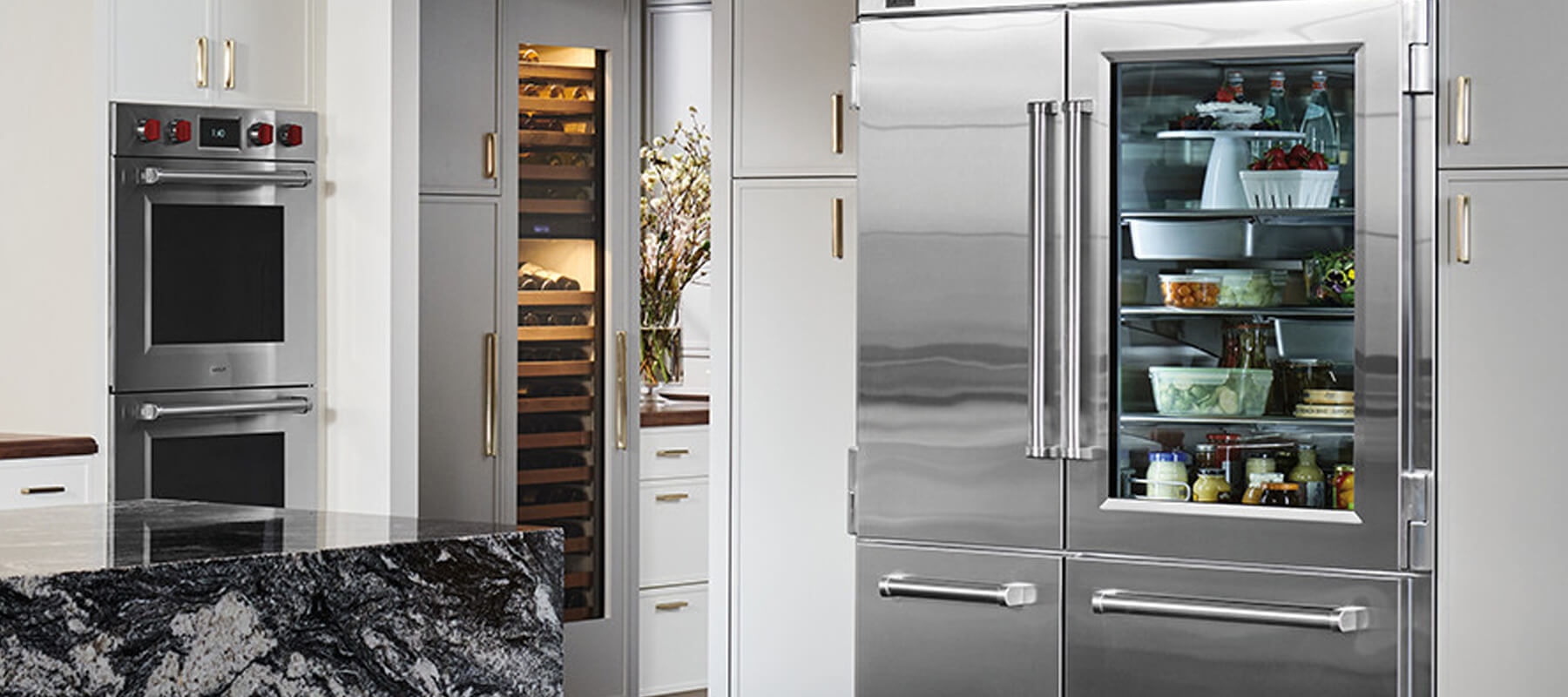

When you think about food storage, the right freezer temperature is very important. The best freezer temperature helps keep your food fresh and tasty. It also prevents food from getting ruined and makes it last longer. At Sub Zero Repair Net, we will guide you on how cold should a freezer be. So let’s delve into the science behind freezer temperatures and how you can ensure that your food stays in optimal condition for as long as possible.
What Temperature Should a Freezer be Set at for Home Use
A freezer should be set at 0°F (-18°C) to keep food fresh and prevent spoilage. This cold temperature stops the growth of bacteria that spoil food. By keeping your freezer at this setting, you can make frozen food last longer. It helps to keep the flavors and nutritional value intact. It also lowers the risk of getting sick from spoiled food.
However, setting your freezer too cold can cause some issues. Very low temperatures can raise your energy bills because the freezer has to work harder. It can also lead to freezer burn. This happens when ice crystals form on your food, which can ruin its taste and texture.
Setting Your Freezer for Optimal Performance
Most modern freezers come with built-in temperature controls to ensure you maintain the right freezer temperature range. This helps you change the settings easily. You can find a dial, buttons, or a digital display inside your freezer. Set the right temperature to 0°F (-18°C). It is a good idea to buy a separate freezer thermometer. This will help you check if the built-in thermometer is accurate.
Put the thermometer in the center of your freezer, away from the door. Let it sit for a few hours to get an accurate reading. If the temperature is not 0°F, change the settings on your freezer. Then, check the thermometer again after a few more hours.
Step-by-Step Guide to Adjusting Freezer Temperature
Adjusting your freezer temperature is easy. First, find the temperature control dial or buttons inside the freezer. You might see numbers or labels like “colder” and “warmer.”
If you have a dial, turn it to set your temperature. For buttons, just press the ones that raise or lower the temperature as you want. Check your freezer’s user manual for specific steps.
After you change the temperature, give it some time to settle. Wait for at least a few hours before checking back. This way, you can see if it’s in the right range.
Signs Your Freezer is Too Cold or Not Cold Enough
It is important to keep the right freezer temperature. You should also know when your freezer is too cold or not cold enough. If it is too cold, you may see a lot of ice inside. This can make it hard to shut the door or reach your frozen foods. Also, if your frozen foods get very hard and have ice crystals on them, they might be affected by freezer burn.
If your freezer isn’t cold enough, you will notice that your frozen foods are starting to thaw or feel soft. Ice cream can lose its firmness, and other frozen items may begin to defrost. You may see ice crystals melting or changes in their color. If you think your freezer is not at the ideal freezer temperature, you need to fix this quickly. This will help stop food spoilage and keep your appliance working well.
Preventing Freezer Burn and Other Issues
- Freezer burn can ruin frozen foods.
- It happens when moisture leaves food and forms ice crystals on it.
- To stop freezer burn, store food in airtight containers or freezer-safe bags. This helps reduce air exposure.
- Good packaging keeps moisture in and stops ice crystals from forming.
- Do not overfill bags, as food needs some space to expand when freezing.
- Use frozen foods within their suggested storage times to keep their quality.
What Causes Freezer Burn?
Freezer burn, the nemesis of frozen food enthusiasts, is a condition that can afflict even the most well-stocked freezer. It stems from the sublimation of ice within frozen food, a process where ice transitions directly from a solid to a gas, bypassing the liquid state. This moisture loss leads to the formation of ice crystals on the food’s surface, resulting in those telltale white, gray, or brown patches characteristic of freezer burn.
The primary culprit behind freezer burn is air exposure. When food isn’t properly sealed, air molecules interact with the moisture within the food, facilitating sublimation. The ideal freezer temperature of 0°F significantly slows down sublimation but doesn’t entirely eliminate it.
|
Factors Contributing to Freezer Burn |
Description |
|
Improper Packaging |
Using containers or bags that aren’t airtight allows air exchange, promoting burn. |
|
Overfilling Freezer Bags |
When bags are overfilled, they are more prone to punctures and tears, exposing food to air. |
|
Temperature Fluctuations |
Frequent temperature swings within the freezer accelerate sublimation. |
|
Long Storage Duration |
Over time, even properly packaged food will experience some degree of freezer burn. |
Tips for Organizing Your Freezer to Prevent Temperature Fluctuation
Keeping a steady best freezer temperature is important. It helps stop temperature changes that can cause freezer burn and lower food quality. Organizing your freezer well can help keep this temperature stable.
First, do not overcrowd your freezer. Too much food can block airflow, making it hard for the cold air to move freely. Leave some gaps between items. This allows the air to flow and keeps all parts of the freezer at a steady temperature.
Here are some tips for organizing your freezer:
- Use clear storage containers: Choose clear containers or freezer-safe bags. These let you see what you have and grab things quickly. This way, you can reduce the time the door stays open.
- Label everything: Make sure to label each item clearly. Include what it is and when you froze it. This helps you remember how long things have been in the freezer. You can use them within their safe storage time.
- Use the FIFO method: Follow the First-In, First-Out (FIFO) method. Put older items at the front and new ones at the back. This makes sure you use the older items before they go bad or get freezer burn.
Conclusion
Knowing how cold should a freezer be is necessary to maintain the quality of food stored in it. Keeping the right temperature in your freezer is important to keep food fresh and avoid problems like freezer burn. By following the tips in this blog, you can make sure your freezer works well and keeps your food good for a long time. Don’t forget to check and change the temperature settings regularly to prevent any issues.
For professional Sub Zero Freezer Repair, trust us here at Sub Zero Repair Net. We guarantee excellent repairs like no other. Contact us today to schedule a service. If you want to learn more, check out our blog post about frost in the freezer.
Frequently Asked Questions
1. What is the safest temperature to set my freezer to avoid food spoilage?
The best freezer temperature to keep food fresh is 0°F (-18°C). This temperature stops bacteria from growing. Since bacteria are the main reason food spoils, 0°F is the ideal freezer temperature for storing food long-term.
2. What temperature should a refrigerator and a freezer be at?
The best temperature for your refrigerator is between 35°F and 38°F (2°C and 3°C). For your freezer, the ideal temperature is always 0°F (-18°C). Keeping these temperatures helps keep your food fresh and safe in both the fridge and freezer.
3. Can a freezer be too cold?
It is important to keep a consistent temperature in your freezer. However, if you set your freezer too far below the ideal freezer temperature of 0°F (-18°C), it can use more energy and may cause freezer burn. It’s best to stay within the recommended temperature range.