
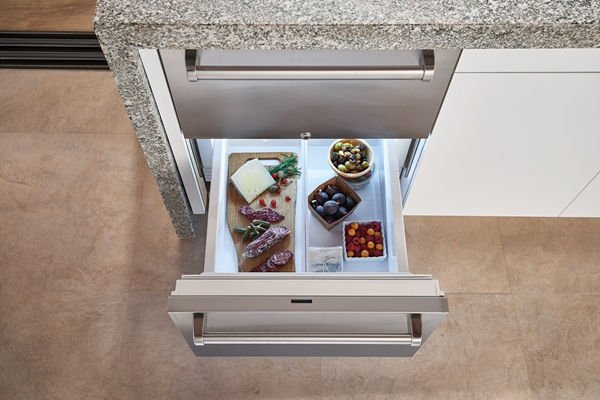
 Is your freezer not freezing? This frustrating issue is a common concern for many homeowners. Understanding why your Sub Zero freezer is struggling to maintain low temperatures is essential for preserving your food and preventing waste. In this article, we’ll delve into the primary reasons your freezer is not working and provide step-by-step DIY solutions to help you restore your appliance’s functionality.
Common Reasons Your Freezer Isn’t Freezing
When your freezer isn’t freezing, it can lead to food spoilage and frustration. Freezers play a crucial role in preserving our food, so understanding the common issues that can affect their performance is essential. Let’s explore the typical reasons behind a freezer not freezing effectively and provide simple DIY solutions to help you troubleshoot these problems. Let’s dive into the specifics to get your freezer back on track!
Dirty Condenser Coils
One of the most frequent culprits behind a freezer not freezing is dirty condenser coils. These coils play a crucial role in the refrigeration cycle by dissipating heat absorbed from the interior of the freezer. When they become coated with dust, pet hair, or grease, their efficiency diminishes. This buildup prevents the coils from effectively releasing heat, which leads to higher internal temperatures. Not only does this strain the appliance, but it can also result in higher energy bills due to increased electricity consumption.
DIY Solution:
- Step 1: Unplug your freezer for safety. This is essential to prevent electrical shock or injury while working on the unit.
- Step 2: Locate the condenser coils, typically found at the back of the appliance or underneath it. Depending on the model, you may need to slide the unit away from the wall for better access.
- Step 3: Use a vacuum cleaner with a brush attachment or a specialized coil brush to gently clean the coils. Be thorough, ensuring you reach every area, as even a small amount of dust can hinder performance.
- Step 4: After cleaning, plug the freezer back in and monitor the temperature over the next few hours. Ideally, the appliance should reach its set temperature within a reasonable timeframe. Regular maintenance of the coils, such as cleaning them every six months, can significantly improve efficiency and prolong the life of your freezer.
Faulty Thermostat
A malfunctioning thermostat is another critical factor that can lead to inconsistent freezing temperatures. The thermostat regulates the internal temperature by signaling the compressor when to start and stop running. If it’s stuck in the “off” position or providing inaccurate readings, it may fail to activate the cooling process, resulting in a warmer freezer environment.
DIY Solution:
- Step 1: Unplug the freezer and locate the thermostat, which is typically found inside the unit near the control panel.
- Step 2: Remove the cover carefully to access the wiring and internal components. Inspect the wiring for any visible damage, such as frayed wires, burnt connections, or loose terminals.
- Step 3: Use a multimeter to test the thermostat’s continuity. Set the multimeter to the resistance setting and touch the probes to the thermostat terminals. A functioning thermostat should show continuity; if it doesn’t, it likely needs to be replaced.
- Step 4: If faulty, replace it with a new thermostat, following the manufacturer’s instructions for proper installation. Make sure to recalibrate the thermostat after installation to ensure accurate temperature readings.
Regular checks of the thermostat settings can prevent long-term issues. Consider investing in a digital thermostat for more precise temperature control.
Blocked Airflow
Blocked airflow can be a significant factor in a freezer not cold enough. Proper air circulation is crucial for maintaining consistent temperatures within the unit. If items are packed too tightly, or if the vents are obstructed, cool air may not circulate efficiently, leading to uneven cooling and warmer temperatures.
DIY Solution:
- Step 1: Inspect the freezer for any items blocking the vents. These vents allow cold air to flow throughout the freezer; items should not be placed directly in front of them.
- Step 2: Rearrange or remove items to allow for adequate airflow. Aim for a balanced load, with enough space between items to facilitate air movement. Avoid overpacking, as this can hinder airflow significantly.
- Step 3: Check the fan for any obstructions, including ice buildup or foreign objects. Clear away any debris, and if ice is present, consider defrosting the freezer to ensure proper functioning.
- Step 4: After ensuring the airflow is clear, plug in the freezer and observe if the cooling improves over the next several hours. You may also consider adjusting the temperature settings to ensure the freezer operates within optimal conditions.
Conducting regular inventory checks can help prevent overpacking and ensure that airflow remains unobstructed.
Damaged Door Seals
Worn or damaged door seals can allow warm air to seep into the freezer, causing internal temperatures to rise. This issue is common and can significantly impact the efficiency of the appliance, leading to frost buildup and increased energy consumption.
DIY Solution:
- Step 1: Inspect the door seals for tears, cracks, or gaps. A visual inspection is usually sufficient to identify visible damage; however, you can also perform a simple test by closing the door on a piece of paper—if it slides out easily, the seal may need replacement.
- Step 2: Clean the seals with warm, soapy water to remove debris and ensure a proper seal. Pay attention to the corners and crevices where dirt can accumulate. Rinse and dry thoroughly.
- Step 3: If seals are damaged, replace them by removing the old seal from the door. Many seals can be replaced easily by pulling them out of their tracks; others may require screws or clips.
- Step 4: Install the new seal, ensuring it fits snugly. Close the door and check for any leaks by using a flashlight; if light passes through, the seal may need further adjustment or replacement.
Regular inspections of door seals can prevent air leaks and enhance the efficiency of your freezer. Replacing seals as soon as damage is noticed can save you energy costs in the long run.
Insufficient Refrigerant
Insufficient refrigerant can cause your freezer to struggle to maintain freezing temperatures. The refrigerant is essential for absorbing heat from inside the freezer and expelling it outside. Low refrigerant levels can occur due to leaks, wear and tear, or system malfunctions, leading to inefficient cooling.
DIY Solution:
- Step 1: Observe for any signs of refrigerant leaks, such as oily spots around the compressor or unusual noises coming from the unit. A hissing sound may indicate a refrigerant leak.
- Step 2: If you suspect a leak, it’s best to call a professional technician, as handling refrigerants requires specialized knowledge and certification. Attempting to repair refrigerant issues without proper training can be hazardous and may violate local regulations.
- Step 3: Schedule a repair to refill or repair the refrigerant system. A qualified technician can accurately diagnose the issue and restore the refrigerant level to optimal performance. This not only improves cooling efficiency but also protects the longevity of your appliance.
Regular maintenance checks can help identify potential refrigerant issues early, preventing more significant problems down the line.
Freezer Maintenance Tips
1. Regular Cleaning
-
- Frequency: Every few months.
- Tip: Unplug the freezer and clean the interior with warm, soapy water, and the exterior with a damp cloth.
2. Inspect and Clean Condenser Coils
-
- Frequency: Every six months.
- Tip: Use a vacuum or coil brush to remove dust from the coils at the back or bottom of the unit.
3. Check Door Seals
-
- Frequency: Monthly.
- Tip: Inspect for cracks and clean with soapy water. Use the paper test to check the seal’s effectiveness.
4. Monitor Temperature Settings
-
- Recommended Temperature: 0°F (-18°C).
- Tip: Use an appliance thermometer to ensure proper freezing temperatures.
5. Organize Contents
-
- Tip: Avoid overpacking to ensure airflow. Use bins for easy access and organization.
6. Defrost as Needed
-
- Frequency: When frost exceeds ¼ inch.
- Tip: Unplug the freezer and allow ice to melt, then clean the interior.
7. Check the Drainage System
-
- Frequency: Annually.
- Tip: Inspect and clear the drainage hole to prevent clogs.
8. Listen for Unusual Noises
-
- Tip: Pay attention to strange sounds like clicking or grinding, and consult a technician if you hear any.
9. Maintain the Surrounding Area
-
- Tip: Keep a few inches of space around the freezer for airflow, avoiding extreme temperature environments.
10. Schedule Professional Maintenance
-
- Frequency: Every 1-2 years.
- Tip: A technician can perform a thorough check to catch potential issues early.
By following these maintenance tips, you can keep your freezer running efficiently and extend its lifespan!
Final Thoughts
In conclusion, a freezer not freezing can stem from various issues, ranging from dirty coils to damaged seals. By following the DIY steps outlined above, you can troubleshoot and resolve many of these problems effectively. Regular maintenance is essential to keep your freezer in optimal condition. If you find yourself asking, “Why is my freezer not freezing?” don’t hesitate to refer back to these tips.
For professional Sub Zero Freezer Repair, contact Sub Zero Repair Net today to ensure your appliances are always working their best.
FAQs
1. Why is my refrigerator working but freezer not freezing?
-
- This could indicate a problem with the thermostat, airflow, or blocked vents in the freezer compartment.
2. What should I do if my freezer is not cold enough?
-
- First, check for blocked airflow, dirty coils, or damaged seals. Clean and rearrange as needed.
3. How can I tell if my door seals are damaged?
-
- Inspect for visible tears or gaps and perform the flashlight test; if light leaks through when the door is closed, the seals need replacement.
4. Can I fix refrigerant issues myself?
-
- It’s best to call a professional technician, as handling refrigerants requires specialized knowledge and tools.
Catch up with our next blog post about freezer leaking water—click to read!
