
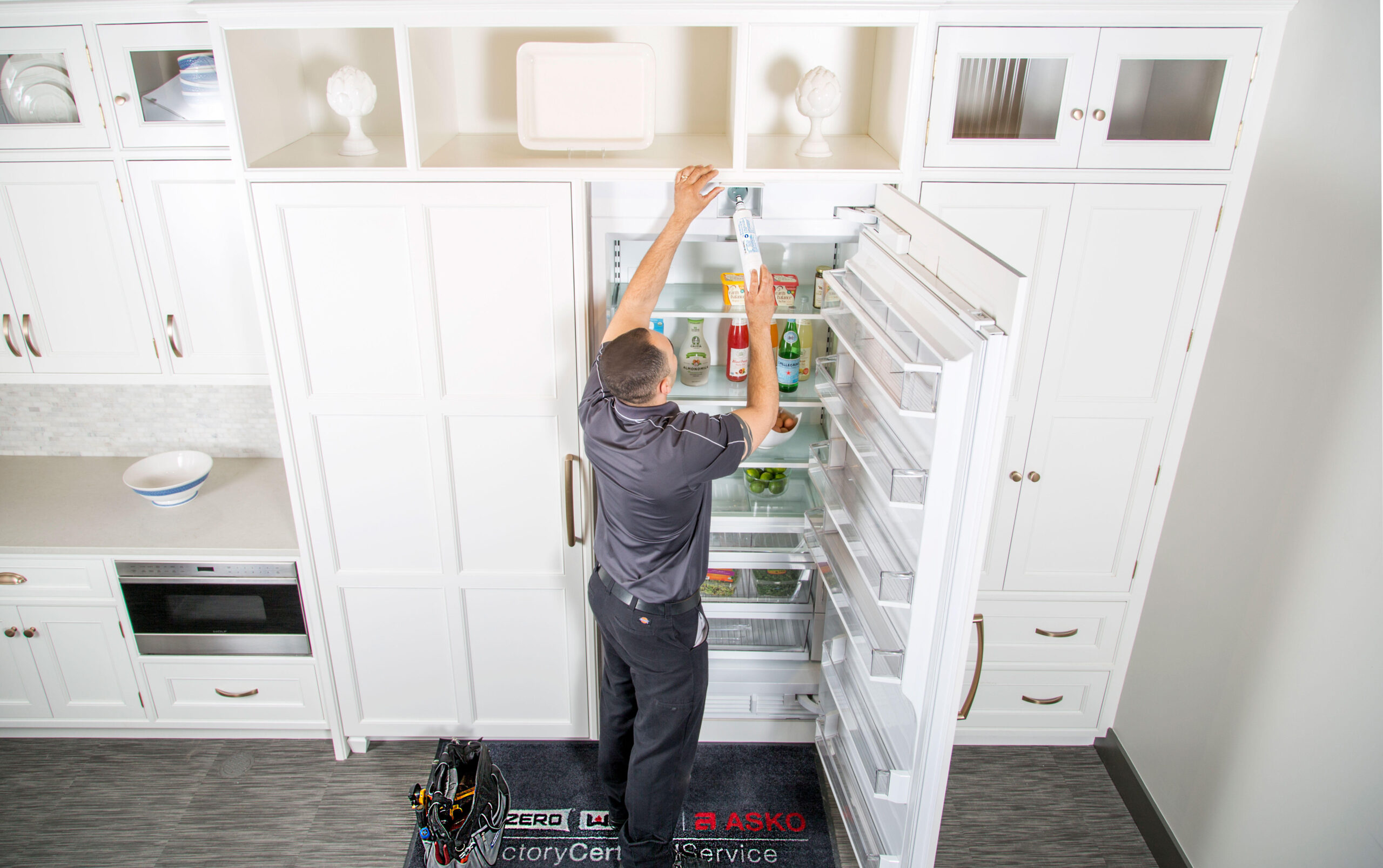
If you’ve ever opened your refrigerator only to find it warm while the freezer remains icy cold, you’re not alone. This common issue can lead to food spoilage and increased energy bills, making it essential for homeowners to understand the underlying causes and solutions. In this article, we will explore why the fridge is not cold but the freezer is and provide you with step-by-step solutions to restore your appliance’s functionality.
Understanding the Problem: Why Is the Fridge Not Cold but the Freezer Is?
When your fridge isn’t as cold as it should be, but the freezer is working fine, it can be puzzling and frustrating. This issue can stem from various causes, ranging from airflow problems to malfunctioning components. Let’s delve into the common reasons why the fridge is not cold but the freezer is and provide insights on how to diagnose and potentially fix it.
1. Blocked Airflow
Cause: Refrigerators rely on the circulation of cold air from the freezer to the fridge. If vents are blocked by food or containers, airflow is restricted, leading to an uneven temperature.
Step-by-Step Solution:
- Inspect Vents: Open both compartments and visually check for obstructions.
- Remove Obstructions: Rearrange or remove items blocking the vents.
- Allow Space: Maintain at least an inch of space between food items and vents.
Prevention:
- Regularly organize your refrigerator to avoid blocking airflow.
- Avoid overpacking the fridge.
2. Defective Thermostat
Cause: The thermostat is responsible for regulating the temperature. If it is set incorrectly or malfunctioning, it may not trigger the compressor effectively, resulting in a warm fridge.
Step-by-Step Solution:
- Check Settings: Confirm that the thermostat is set to around 37°F for the fridge.
- Test for Functionality: Turn the thermostat up and down; if the fridge doesn’t respond, it may need replacement.
- Replace if Necessary: Consult your user manual for guidance on replacing the thermostat, or call a technician for assistance.
Prevention:
- Regularly check thermostat settings, especially after power outages.
- Ensure that no items are pressing against the thermostat, which could cause malfunctions.
3. Faulty Evaporator Fan
Cause: The evaporator fan circulates cold air from the freezer to the fridge. If it fails, the fridge may not receive adequate cold air.
Step-by-Step Solution:
- Listen for Noise: Open the fridge and listen for the fan. If it’s silent, it might be broken.
- Inspect for Ice: Check the fan area for ice buildup. If present, turn off the fridge and allow it to defrost completely.
- Test Fan Operation: If defrosting doesn’t help, access the fan and test it with a multimeter. If it’s faulty, replace it.
Prevention:
- Regularly clean the area around the fan to prevent ice buildup.
- Check for any frost or ice formation periodically.
4. Dirty Condenser Coils
Cause: Condenser coils dissipate heat from the refrigerator. If they are covered in dust and debris, they cannot function properly, leading to inefficient cooling.
Step-by-Step Solution:
- Locate the Coils: Find the coils, usually at the back or underneath the fridge.
- Clean the Coils: Use a vacuum or coil brush to remove dust and debris. Be gentle to avoid damaging the coils.
- Check for Damage: Inspect for any signs of wear or damage while cleaning.
Prevention:
- Clean the condenser coils at least twice a year.
- Ensure the fridge is placed in a clean area away from dust and debris.
5. Low Refrigerant Levels
Cause: Refrigerants are essential for the cooling process. If levels are low due to leaks, the fridge may not cool properly, even if the freezer is functional.
Step-by-Step Solution:
- Identify Signs of Leaks: Look for oily residue around fittings or listen for hissing sounds.
- Check for Frost: Excessive frost buildup may indicate a refrigerant issue.
- Consult a Technician: If you suspect a leak, it’s best to call a professional to assess and recharge the refrigerant.
Prevention:
- Regularly schedule maintenance checks for your refrigerator.
- Avoid placing heavy items on the fridge that could damage refrigerant lines.
6. Damaged Door Seals
Cause: If the door seals are damaged or worn out, warm air can enter the fridge, preventing it from cooling effectively while the freezer remains cold.
Step-by-Step Solution:
- Inspect Seals: Check the rubber seals around the fridge door for cracks or tears.
- Perform a Dollar Bill Test: Close the fridge door on a dollar bill. If you can easily pull it out, the seal may be too loose or damaged.
- Replace Seals: If the seals are compromised, replace them to ensure proper closure.
Prevention:
- Regularly clean the door seals to prevent debris buildup.
- Check the seals periodically for signs of wear.
7. Incorrect Temperature Settings
Cause: Sometimes, the fridge may be set at a temperature that’s too high, causing it to feel warm while the freezer continues to function properly.
Step-by-Step Solution:
- Verify Settings: Check the temperature settings on both the fridge and freezer.
- Adjust Accordingly: Set the fridge temperature to around 37°F and the freezer to 0°F.
- Monitor for Changes: Give the fridge some time to adjust and monitor the temperature over the next few hours.
Prevention:
- Regularly check and adjust temperature settings, especially after power outages or moving the appliance.
8. Malfunctioning Compressor
Cause: The compressor is the heart of the refrigeration cycle. If it fails, it can disrupt cooling in the fridge while the freezer may still function for a time.
Step-by-Step Solution:
- Listen for Noise: When the fridge is running, listen for a humming or clicking sound. If it’s silent or making unusual noises, there may be an issue.
- Check the Start Relay: If the compressor is not starting, the start relay might be faulty. Test it and replace it if necessary.
- Consult a Technician: If the compressor itself is faulty, professional help will likely be needed to diagnose and replace it.
Prevention:
- Ensure proper ventilation around the compressor to avoid overheating.
- Schedule regular maintenance checks to identify issues early.
Wrap-Up
Understanding the intricacies of why the fridge is not cold but the freezer is can save you time, money, and frustration. By addressing issues such as blocked airflow, a defective thermostat, a faulty evaporator fan, dirty condenser coils, and low refrigerant levels, homeowners can not only resolve the immediate problem but also prevent future occurrences.
If you find that the common solutions do not work, consider seeking professional assistance from experts like Sub Zero Repair Net, who can provide in-depth diagnostics and reliable Sub Zero Refrigerator Repairs.
FAQs
-
How do you fix a warm fridge and cold freezer?
- When the freezer is cold but the fridge warm, it can be caused by blocked vents, a faulty thermostat, a refrigerant leak, or a damaged door seal. If these issues are not resolved, it’s recommended to contact a professional appliance repair technician for further assistance.
-
How can I check if my refrigerator’s thermostat is working?
- Adjust the thermostat settings. If the fridge does not respond, it may need replacing.
-
Is it possible to fix a freezer that works but the fridge is warm without professional help?
- Yes, many issues can be resolved through basic troubleshooting. However, for refrigerant issues, professional help is recommended.
-
How often should I clean my refrigerator’s condenser coils?
- It’s advisable to clean the coils at least twice a year to maintain efficiency.
Discover our previous blog post about how to deal with the Sub Zero fridge beeping issue!